
A superconducting memory stores a state in a micrometre-scale cell
Physicists demonstrated writing to an experimental cell with a thin superconducting film between two magnetic insulators.
Physical Review LettersRead story
NEUDYNE / SIGNAL
News from science and engineering, artificial intelligence, biology and nanotechnology. Also audio, video, HiFi and stage equipment — with original sources and a clear distinction between promises and verified results.
How we use sources
Physicists demonstrated writing to an experimental cell with a thin superconducting film between two magnetic insulators.

PlanAssist is entering a wider test. Its reported time saving comes from an early pilot and should not be generalized without further evidence.

The deployment uses the GPT-6 Astra base and has restricted access. It does not demonstrate a new treatment.

Independent researchers examined an internal OpenAI monitoring system, showing why the model itself is only part of the safety problem.

A correctly calculated table need not reflect an independently chosen method. The analyst experiment concerns a specific controlled setting.

The interface reads muscle movement through skin. The small study tested sensing and a virtual task, not daily walking safety.

Experiments changed the size and sign of charge after material contact. They tested plastic films, not protein drinks or a production line.
A Nature Aging paper combines gene screening with cellular ageing markers. The finding is interesting, but groups of 9–10 animals require caution.
Google demonstrates a language model linked to robots and physics simulation. The interesting part is the observe–try–check loop, not just an impressive video.

A new preprint explores AI searching for better algorithmic building blocks under programmatic checking. It also shows where savings involve a trade-off.

OpenAI and research partners connect cell data with literature. The potential value is choosing a better next experiment, not curing a disease in half an hour.

Mistral released smaller models for numerical data over time. They could help forecast demand or sensor signals, but do not automatically diagnose failures.

Anthropic's experiments highlight the security of inexpensive connected devices. A laboratory possibility is not evidence of an attacker operating on the internet.
An open model could give poorly studied organisms a better gene map. A predicted protein is not proof that it exists and functions inside a cell.

Faster individuals do not necessarily make a faster group. Laboratory research explains why reversing after a collision can help.
An intriguing laboratory tool, not a recipe for rejuvenating people. What the reprogrammed cells can actually do matters most.

The new beta targets decision steps inside applications. A useful uncertainty threshold may matter more than speed.

Persistence is not always a virtue. Knowing when to stop matters as much as what an agent can do.

Filling a blank on a map is not a new observation. Keeping the two layers distinct may be the most valuable feature.

A new protein catalogue could narrow the search for future drugs. A list of possible targets is still far from safe treatment.

Releasing the evidence is an important step, not automatic confirmation of a breakthrough. What others can independently check matters most.
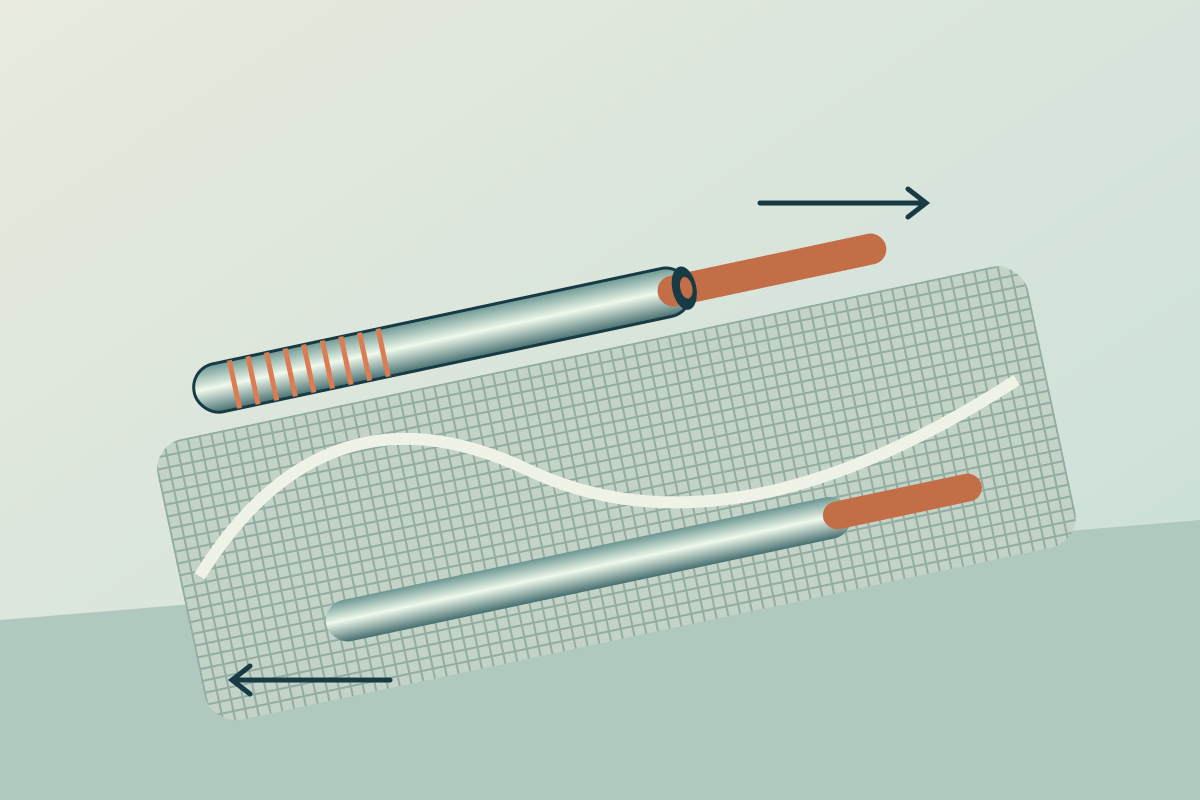
FiberMotor demonstrates laboratory motion without a heavy gearbox. A flexible prototype is still far from a safe device worn on the body.
Research connects protein recycling with senescent-cell clearance. An interesting healthy-ageing lead, not a ready-made rejuvenation treatment.

Microsoft has announced a biology research system. The important question is not how persuasive a hypothesis sounds, but whether it survives an experiment.

Ai2 has opened a model for citation-bearing reports. It can support an initial review, not replace reading the original studies.
A small clinical study raises a question for larger controlled research.
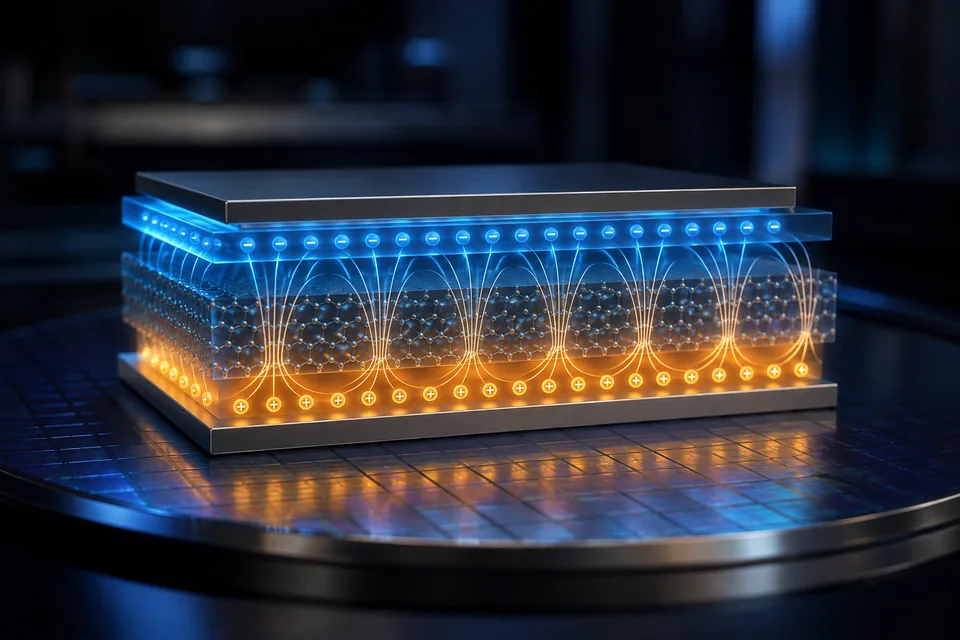
EPFL demonstrated diodes above 3.9 kV and transistors above 3.4 kV. These are laboratory devices, not finished converters.
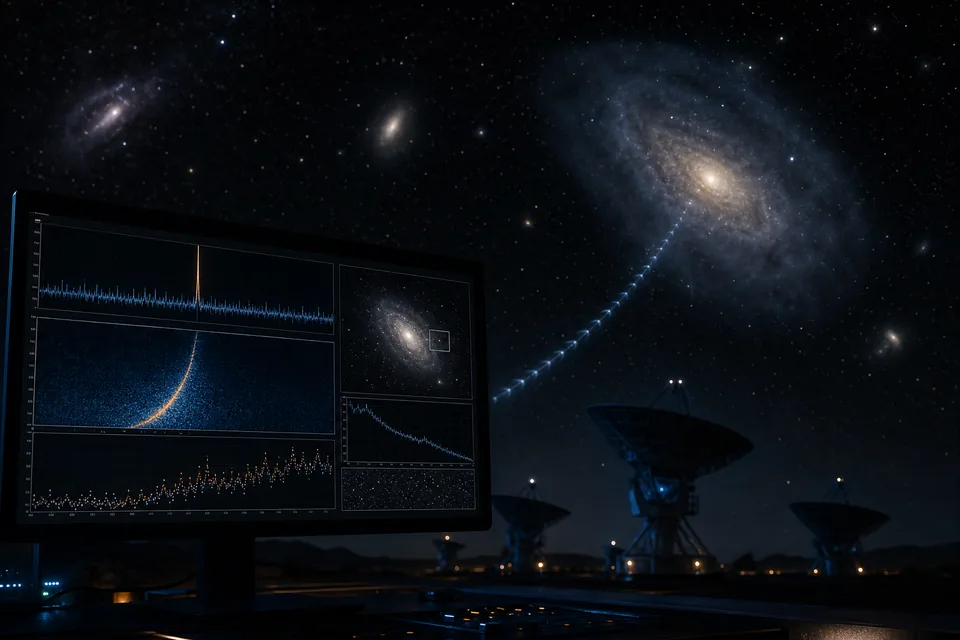
Combining 2,870 radio bursts with the positions of more than six million galaxies suggests that diffuse gas extends much farther from galaxies than some simulations predict.
NEUDYNE / EDITORIAL
We publish original editorial summaries and commentary, not full translations of third-party articles. We always link to the original and credit the author or publisher. Full translations are published only under licence or where expressly permitted.
Every article links to the original work. We distinguish experimental findings, author claims and our own outlook on practical applications.
Read in Czech, English, German or Italian. Discussions are shared across languages.