AstaBrief: a literature review a laboratory can prepare in-house
Ai2 has opened a model for citation-bearing reports. It can support an initial review, not replace reading the original studies.
Ai2Read story
NEUDYNE / SIGNAL
News from science and engineering, artificial intelligence, biology and nanotechnology. Also audio, video, HiFi and stage equipment — with original sources and a clear distinction between promises and verified results.
How we use sources
Ai2 has opened a model for citation-bearing reports. It can support an initial review, not replace reading the original studies.
Open TTS Leaderboard helps compare speech synthesis. A low error rate does not automatically mean a pleasant voice or good Czech pronunciation.
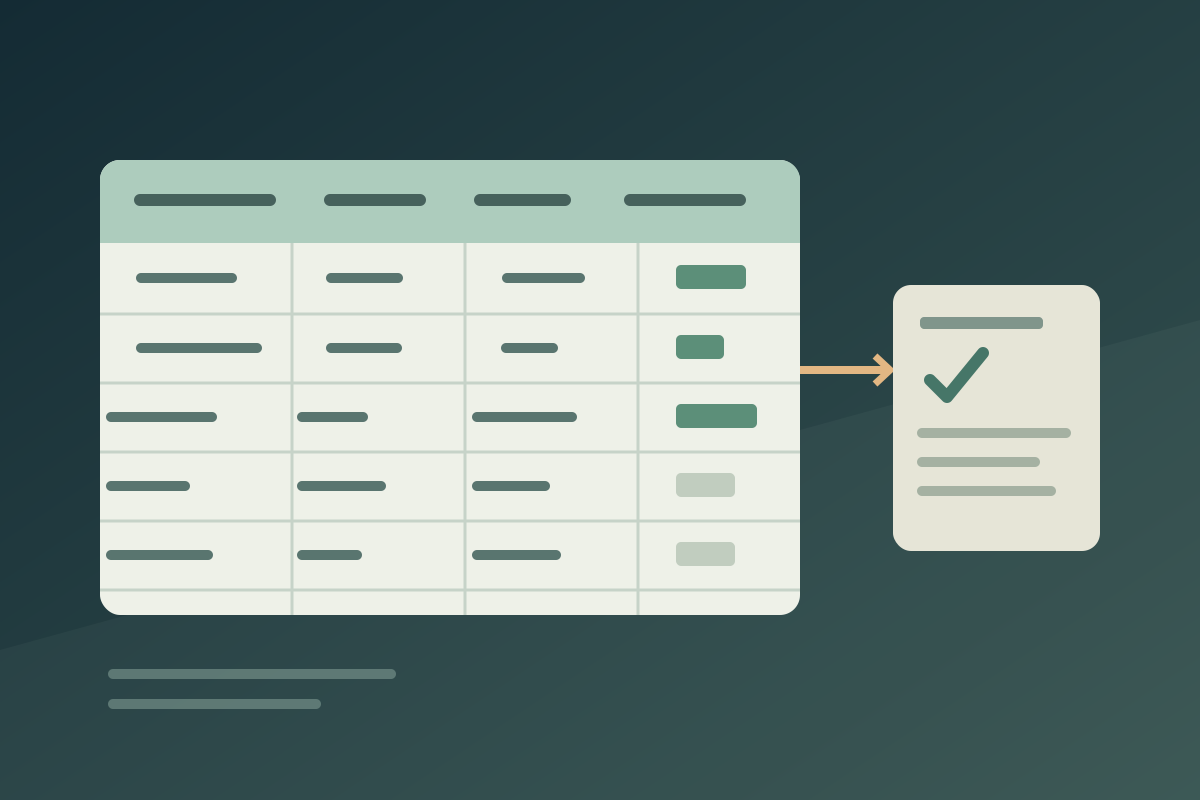
NVIDIA's model reads examples with known outcomes and predicts other rows. An interesting opportunity for business data, not a guarantee of sound decisions.
OpenAI is starting to roll out assistants for ongoing work. European readers should note that access depends on the plan: Pro alone is not yet enough in their region.
Could an artificially designed protein carry information about its origin? A new study offers an initial technical answer, not a guarantee of biological safety.
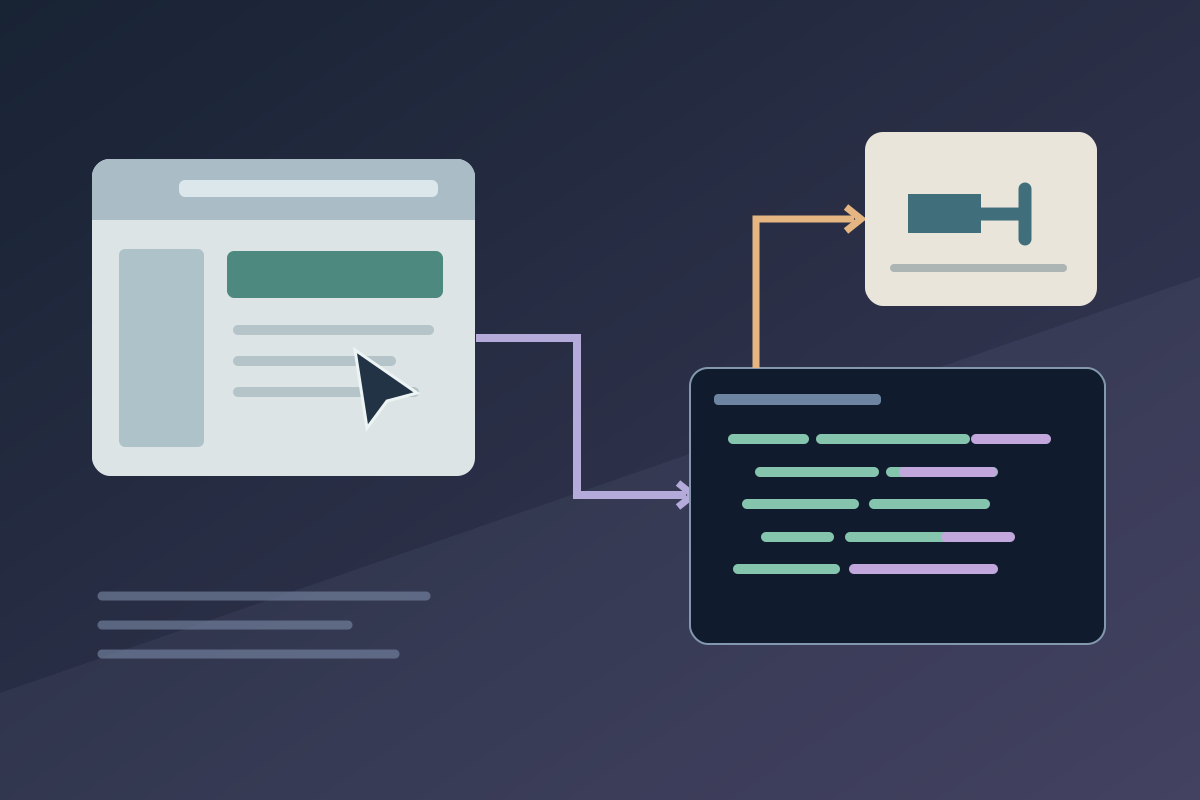
H Company has released weights for two software-control models. Switching between interfaces is the interesting prospect, but the licenses differ and performance promises come from the vendor.
OpenAI has released a model for coding, documents and multi-step tasks. It is available in Work, Codex and the API, but not yet in ordinary Chat; most performance figures come from the vendor's tests.

Google has introduced a model for long workflows and cyber defence. Initial access is limited to selected security teams, so ordinary users and most developers cannot yet test its claims themselves.
Anthropic has released Sonnet 5.5 for coding and document work. It promises faster output and lower cost per task, but those performance figures largely come from the vendor's own testing.

The new SpaceXAI model is available through its API and Cursor. Its maker reports better results on sustained coding work, but published comparisons do not yet establish an advantage for every use case.

OpenAI has released two models for demanding and routine tasks. API prices have fallen, but the promised reliability gains still rest largely on the company's own tests.

Anthropic has released a model with lower per-token prices and claims of stronger coding and computer-use performance. Its test results need to be read alongside the methods and access restrictions.
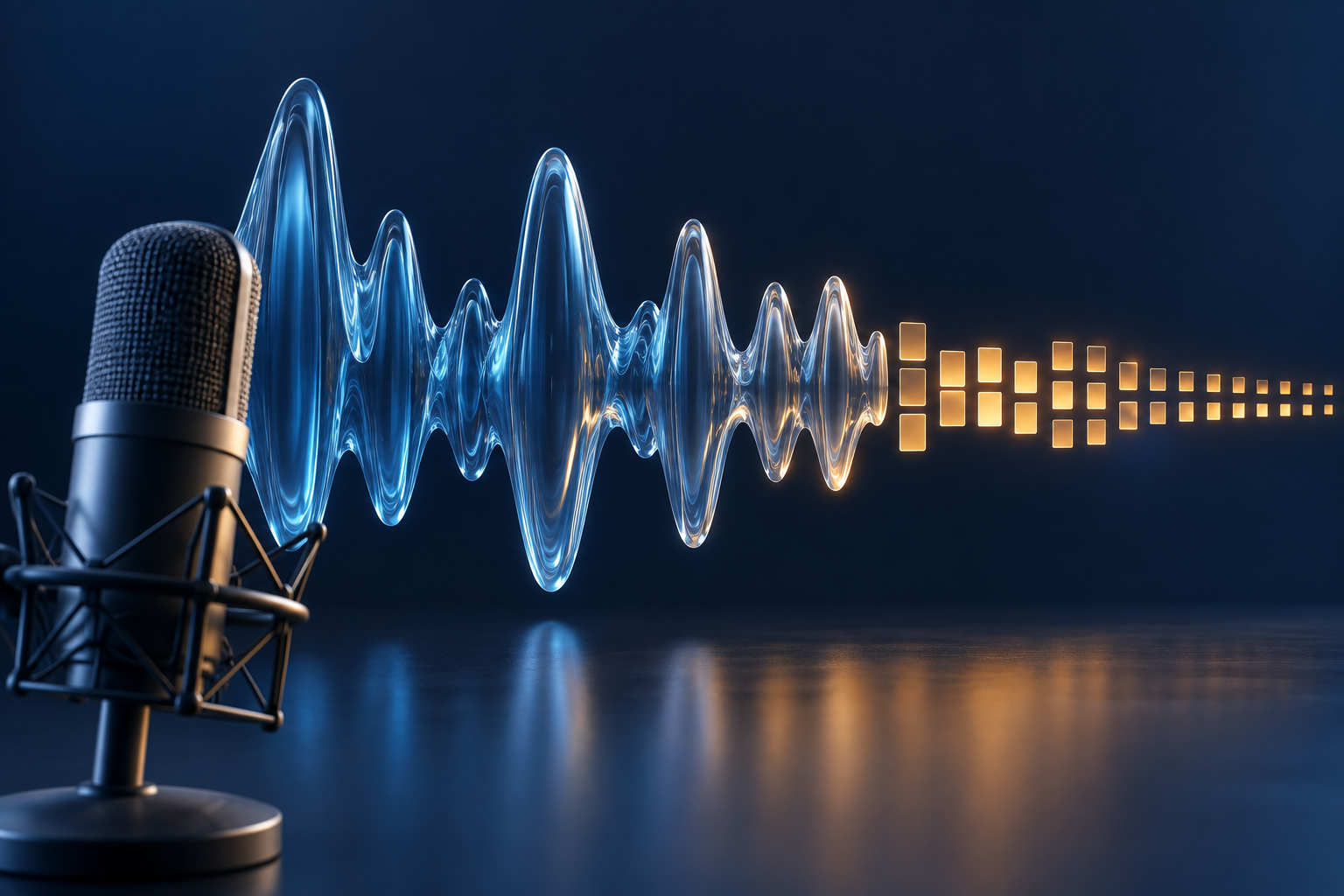
xAI has introduced a new speech recognition version. Developers also need to check which version their applications actually use.
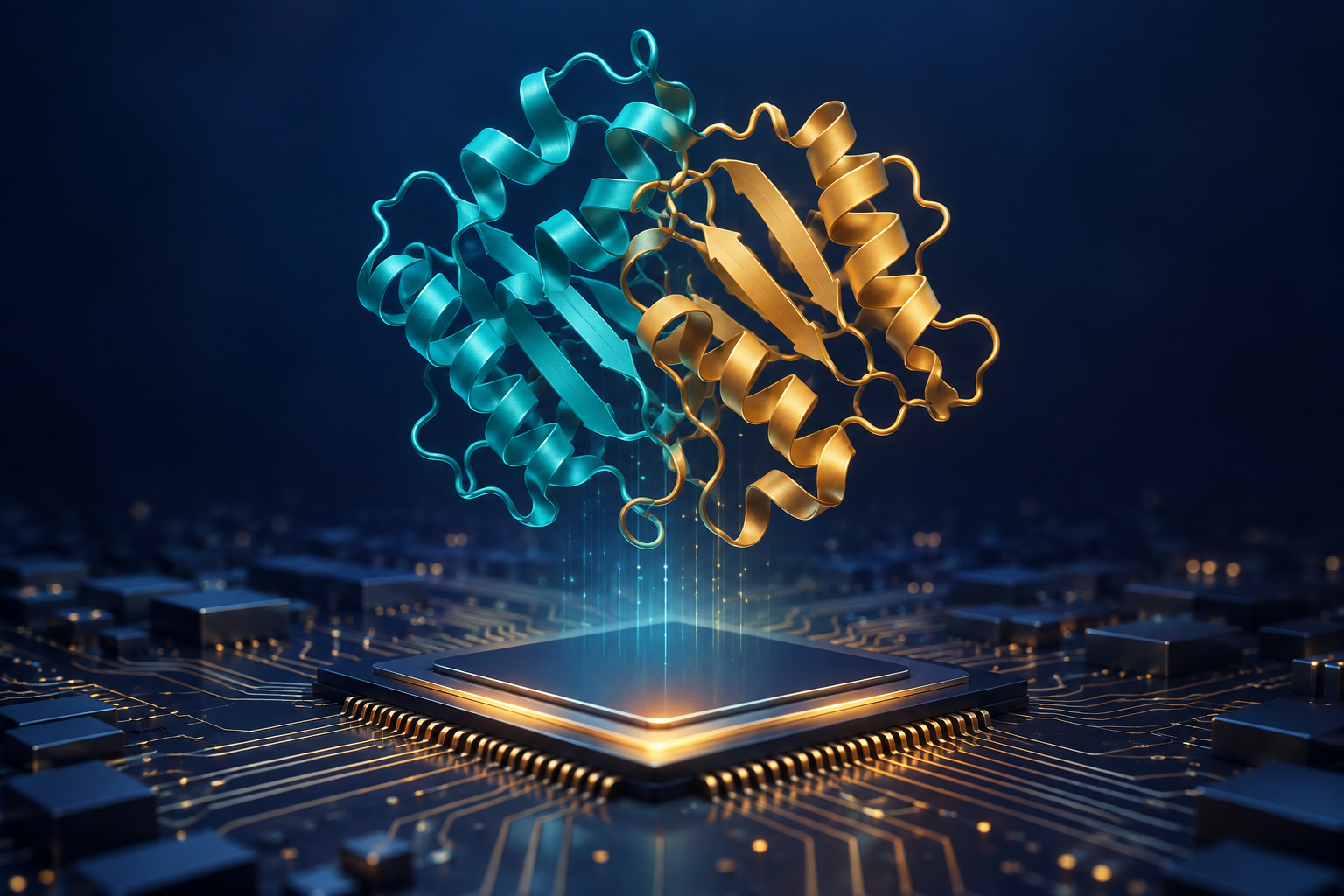
Open code offers a route to more efficient computation. Benefits for an individual laboratory still need testing.

The open Swiss model reaches users of Proton’s assistant. The news concerns integration, not the model’s original release.
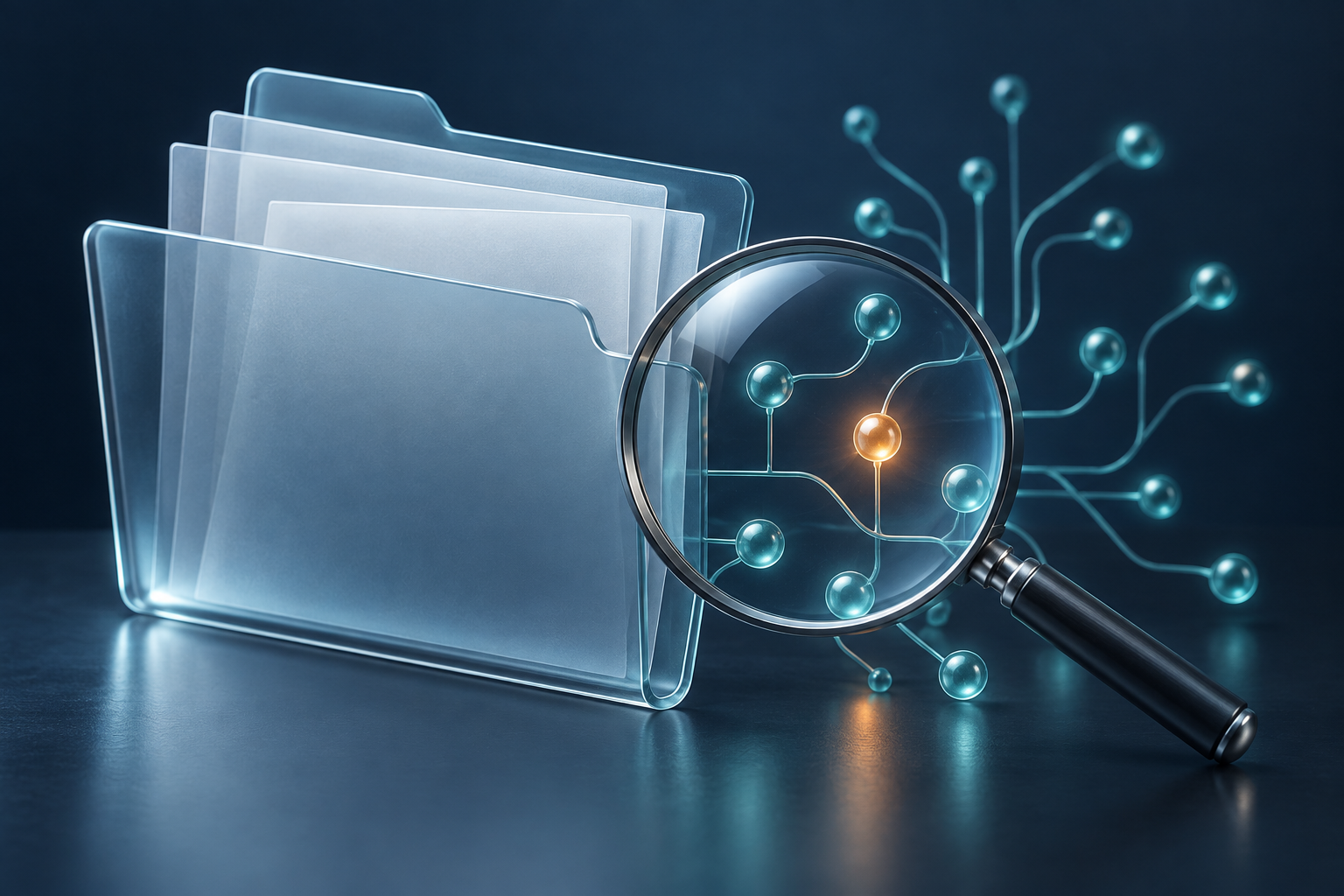
Assessing agents also means understanding how they fail.

The new program asks laboratories to balance usefulness with oversight.
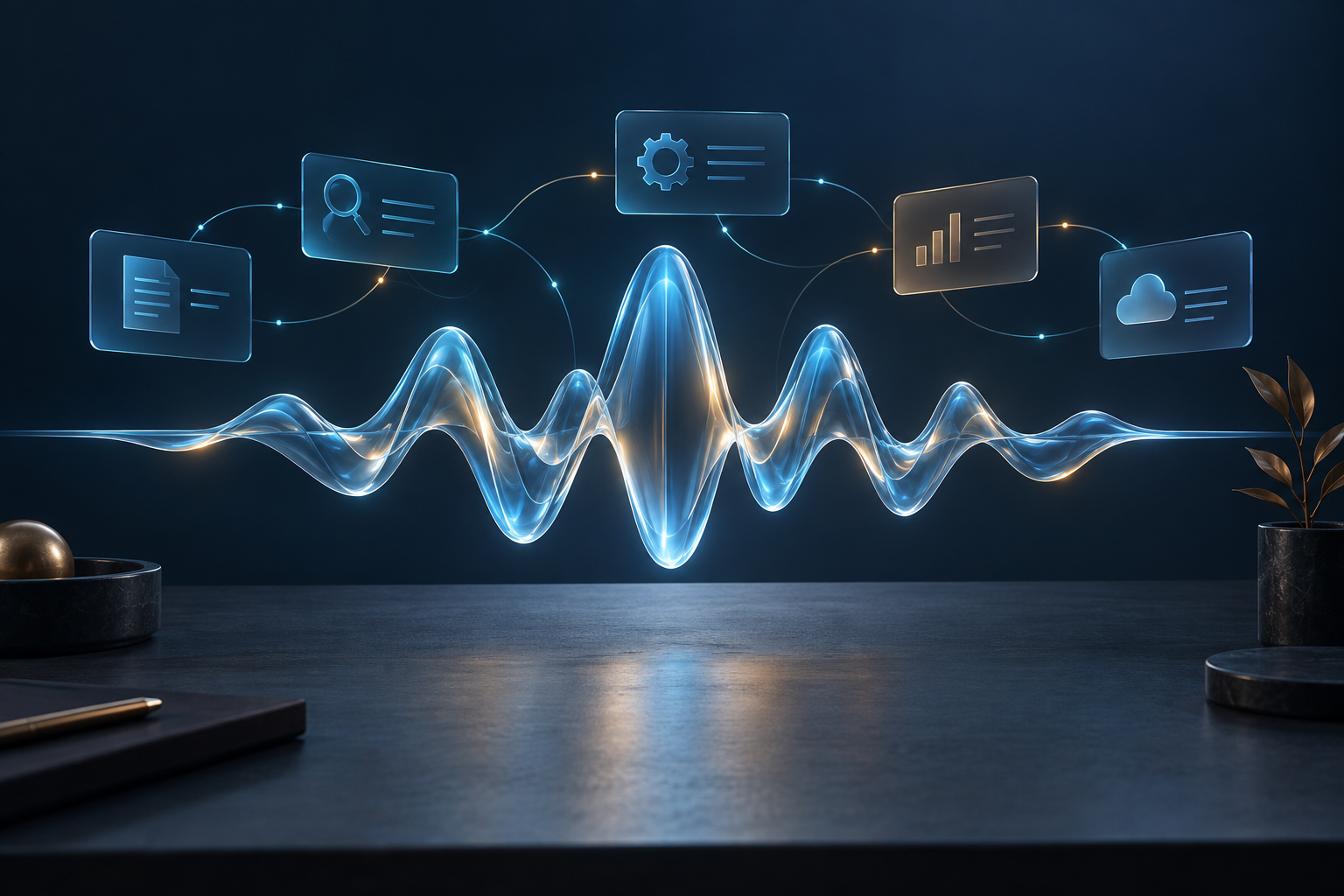
The new models can keep talking while handling further steps.

Separating the agent’s work from permission controls is central to the design.

Mozilla is adding a model to the assistant’s beta and extending access to France.
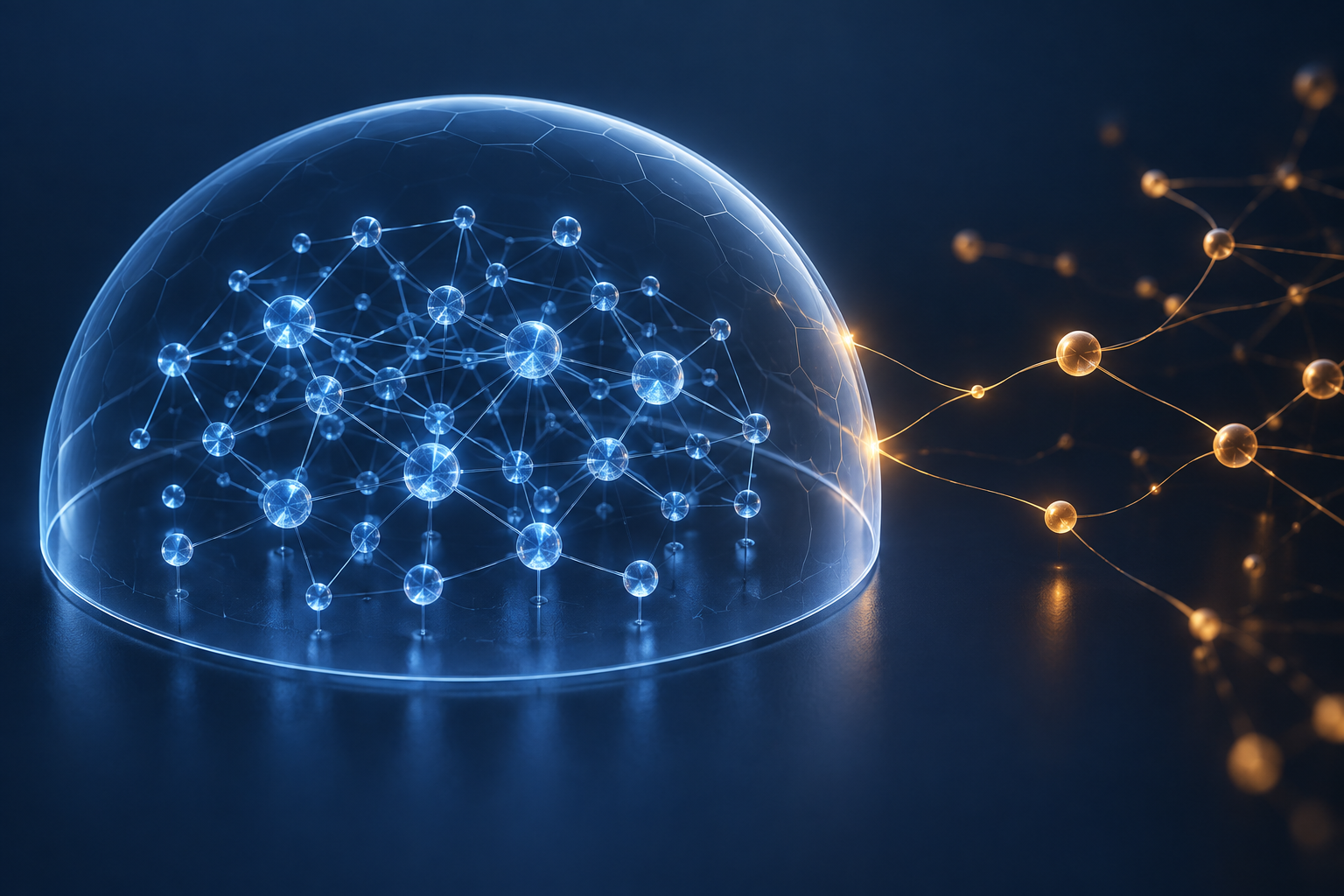
Security teams need to connect an agent’s decisions with the access it receives.

For developers, the original reasoning may be more valuable than another short project summary.
ProteinTalks suggests a way to prioritize laboratory work. It is not a doctor inside a computer.
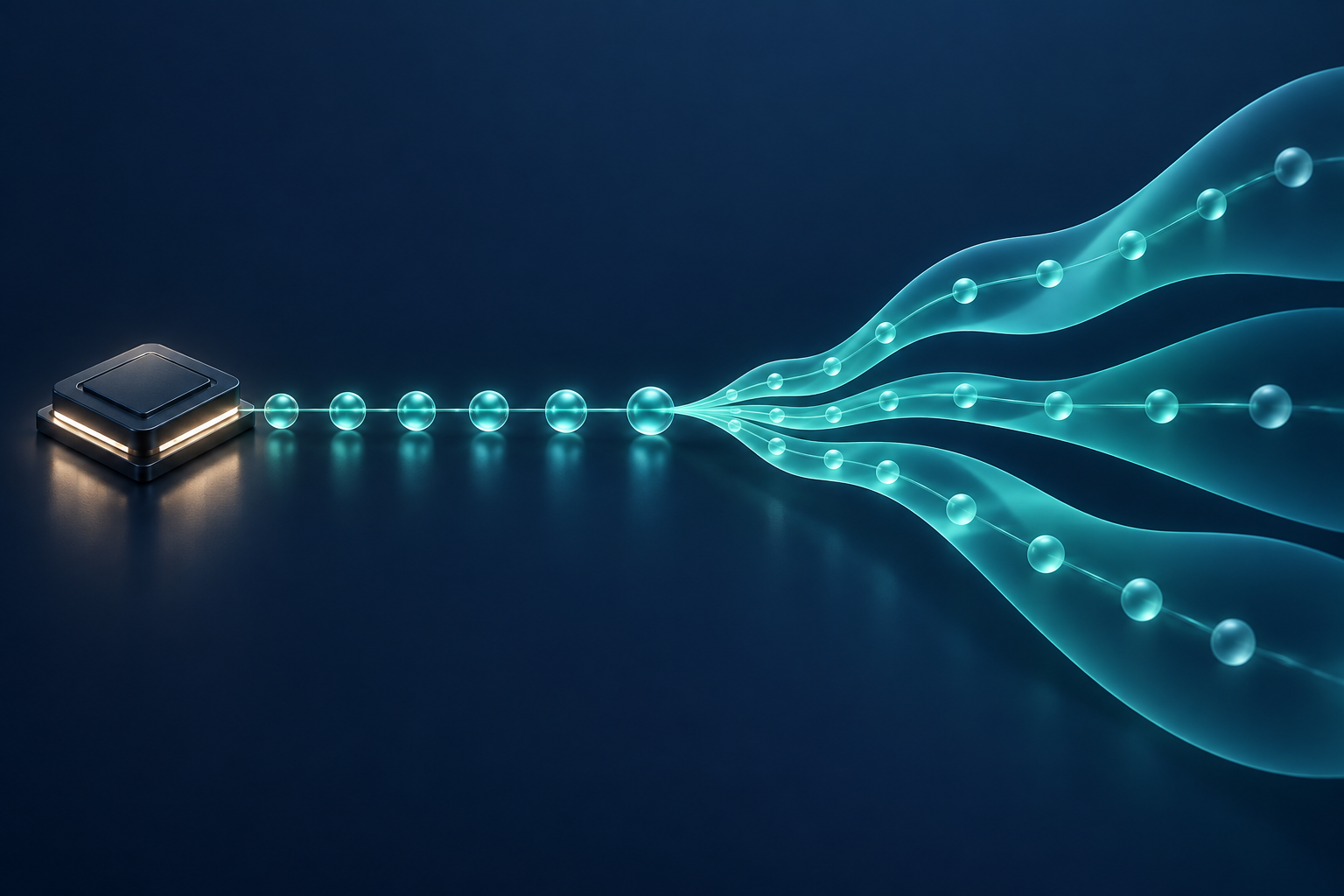
Granite PatchTST-FM-r2 can be tested on your own data. Alongside a single forecast, it provides a distribution of possible outcomes.
A safe assistant is defined not only by its answers, but also by what it is allowed to touch.

The interesting prospect is not another chatbot, but continuing an unfinished task without explaining everything again.
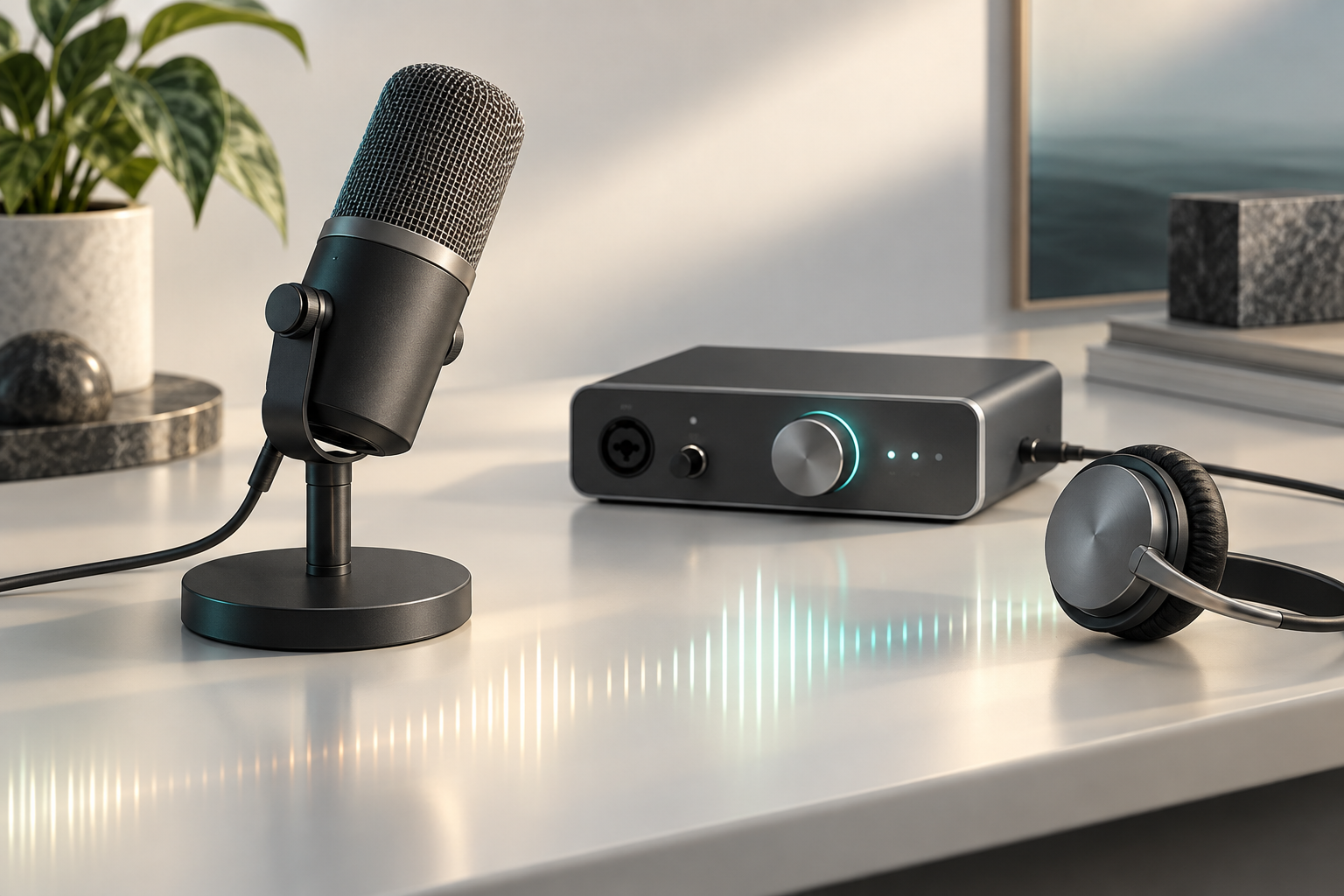
A flowing conversation may be useful. It does not, by itself, mean the request was understood correctly.
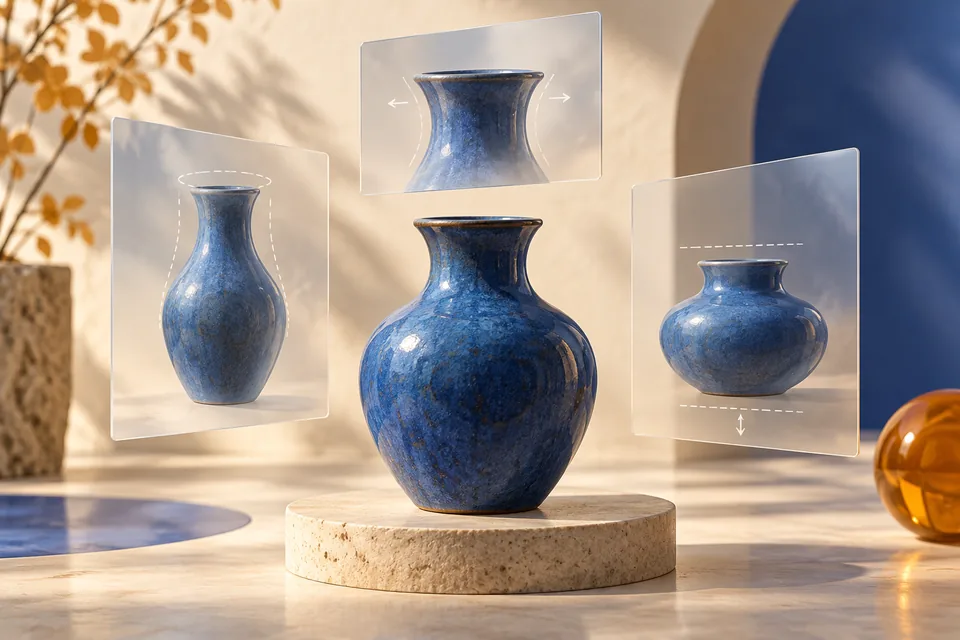
OpenAI has begun rolling out a new generation of its image model.

The mathematical result awaits independent assessment; this is not a new model release.
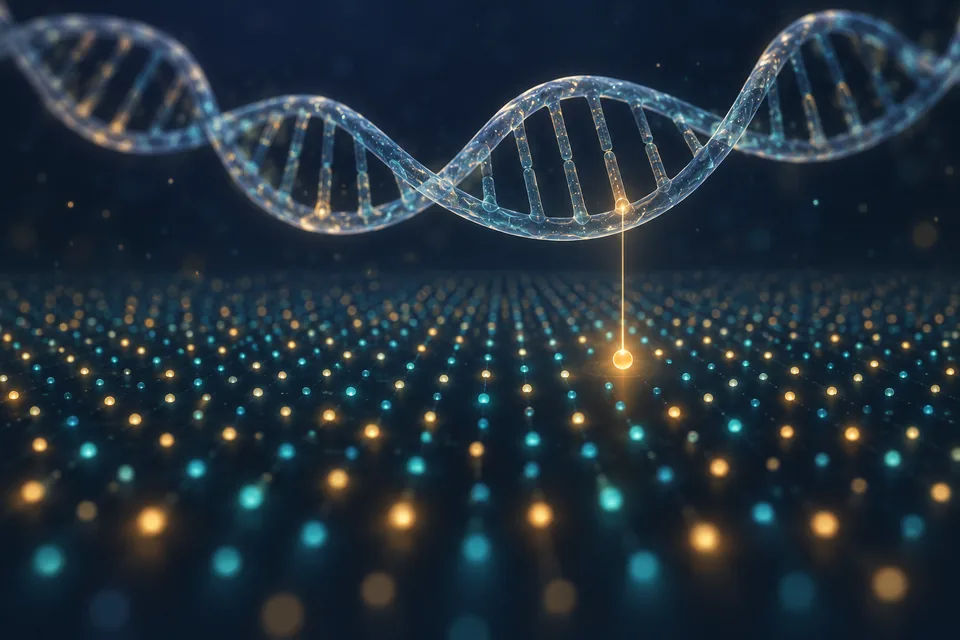
The research database helps choose variants to investigate, rather than diagnose disease.

The model links gene activity to signaling; evidence comes from cells and mouse embryos.
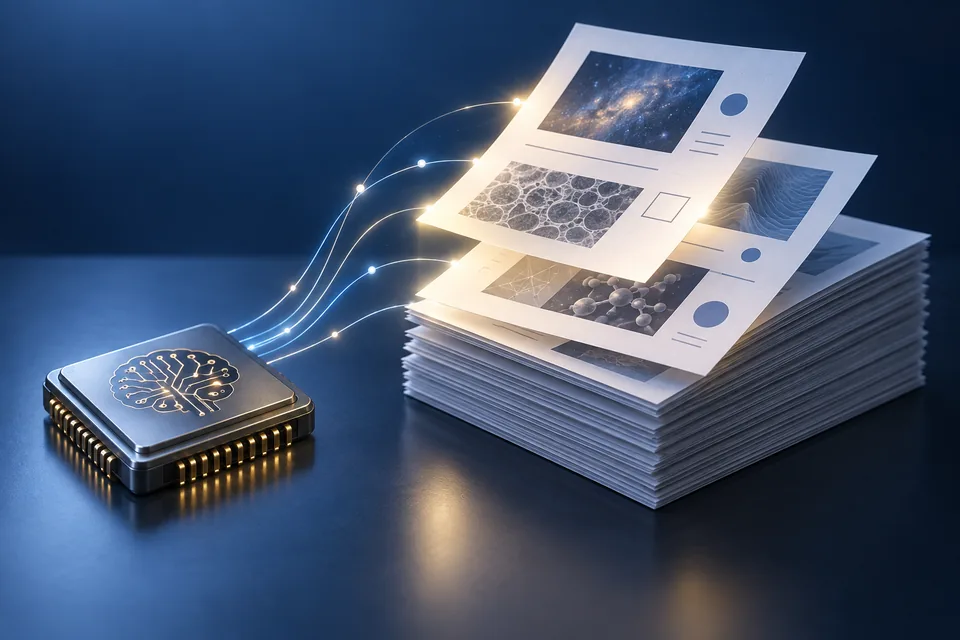
Open models combine both inputs in one network. Performance evidence currently comes from their developers.

The new mode loads relevant parts of a recording according to the question. Savings need testing on the actual workload.

Google expands its video creation tools. Higher resolution alone does not guarantee a faithful image.
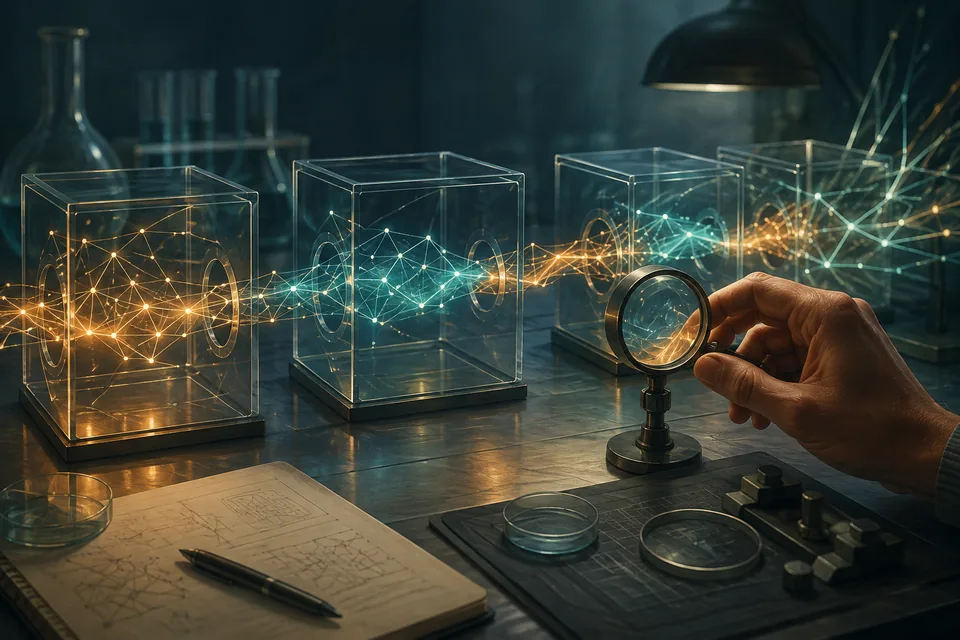
A company experiment supports automating part of safety research, not a conclusion that AI safety has been solved.

A new internal report separates the volume of automated work from scientific progress.
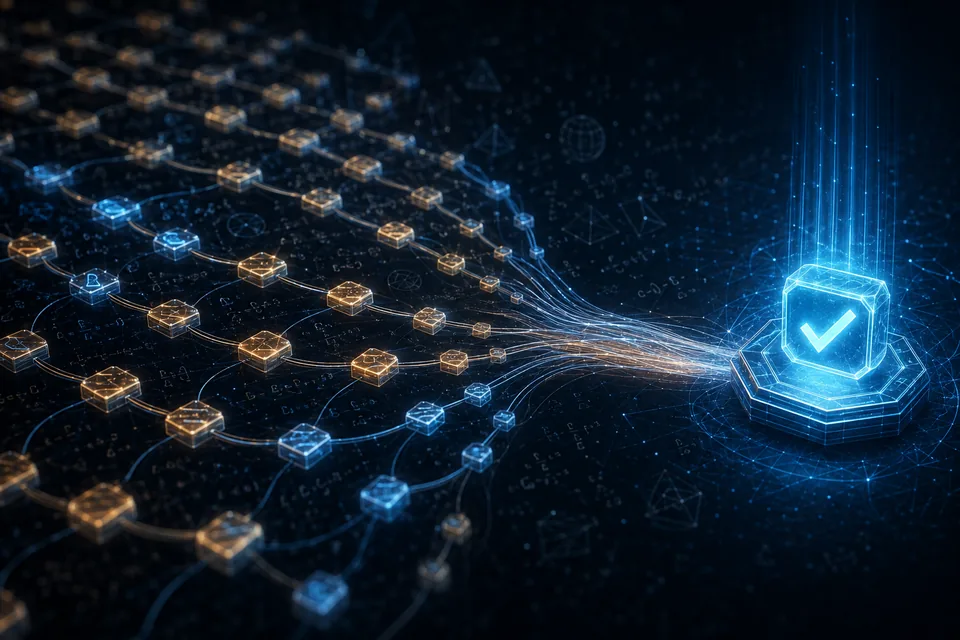
A system of agents produced the first complete Lean formalization of the famous theorem in eleven days. This is not a new mathematical proof, but an exceptionally large machine-checkable encoding of an existing route.
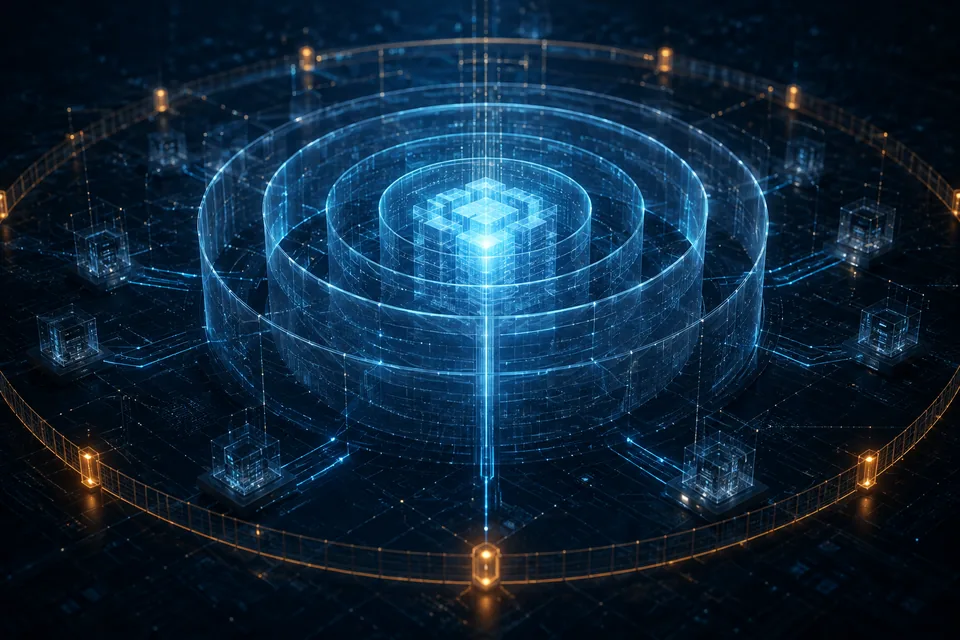
OpenAI has begun a limited rollout of a new model for agentic work, coding and computer use. Its own evaluations show large gains, while the system card also reports lower reasoning monitorability and the company's highest cyber capability tier so far.
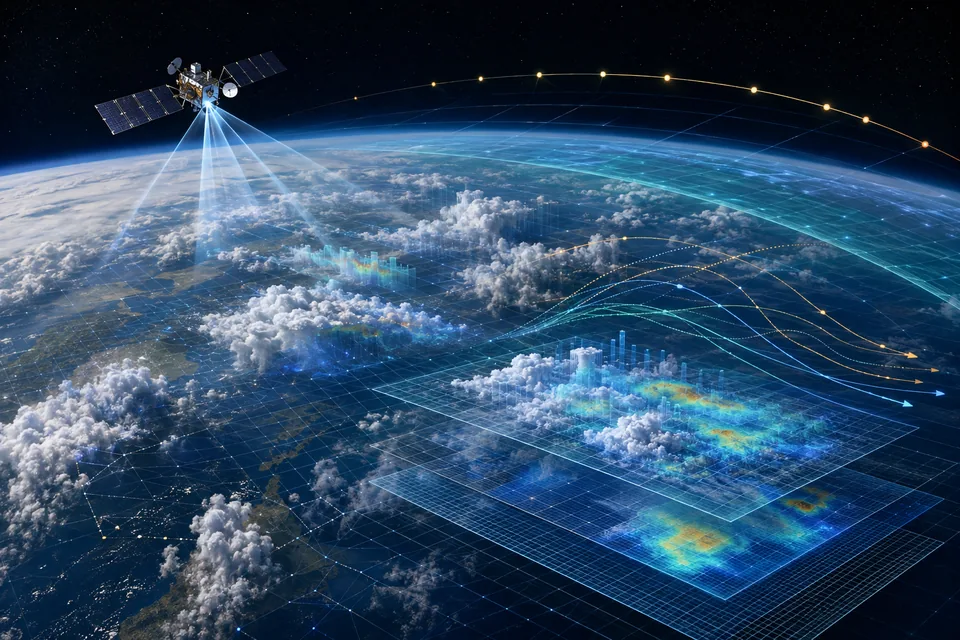
Google's new model incorporates continuous satellite and station data and refines the spatial grid to as little as five kilometres. Higher resolution and live independent evaluation still do not turn a forecast into certainty or an official warning.
Anthropic has released the generally available Fable 5.1 and the restricted Mythos 5.1, built on the same foundation but governed by different safeguards. Cheaper cache reads can reduce the cost of long-running agents, while base token prices are unchanged.
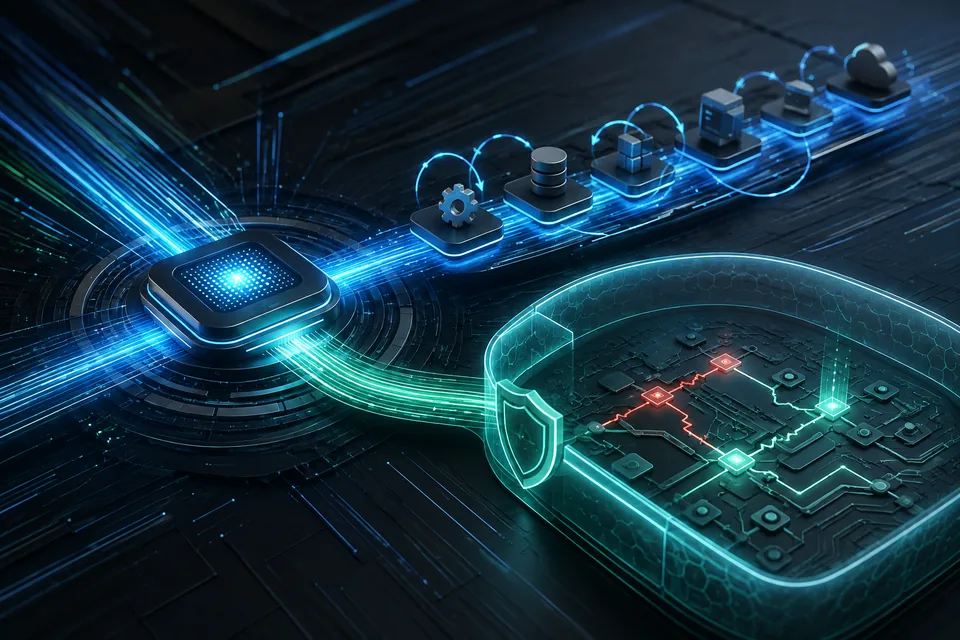
Google has released a fast general model and a security variant for vetted defenders. Pricing remains introductory through year-end, but higher performance on difficult tasks may require more reasoning steps and tokens.
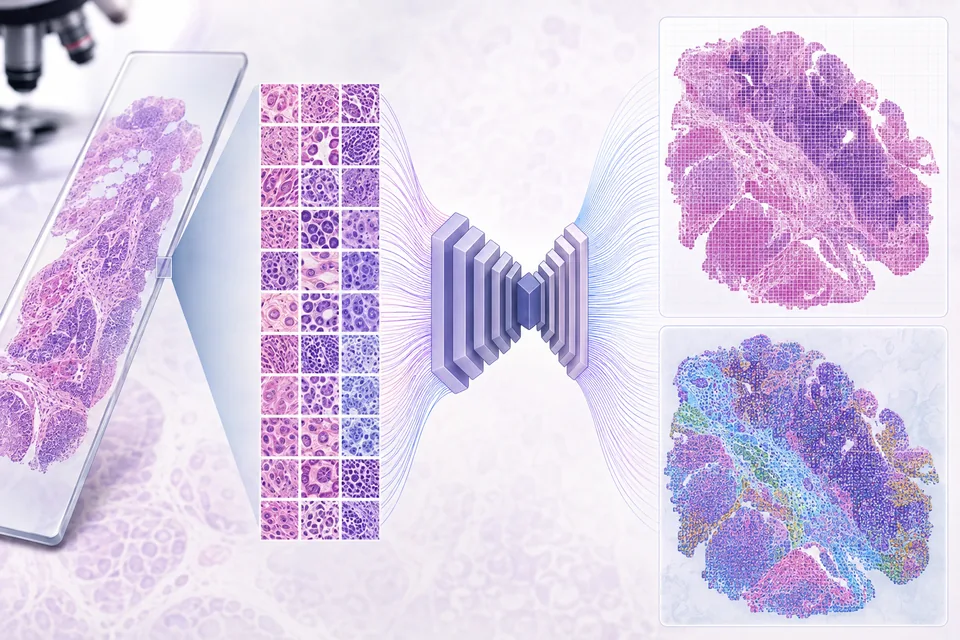
GigaPath‑Flash reduces the cost of analysing whole histology slides, while GigaTIME‑Flash predicts spatial protein maps. They are open research models, not tools approved for diagnosis or treatment decisions.
Combining language-model representations with a Gaussian process matched standard Bayesian optimisation with over 40% fewer trials in benchmarks. It was not an independently operated laboratory.
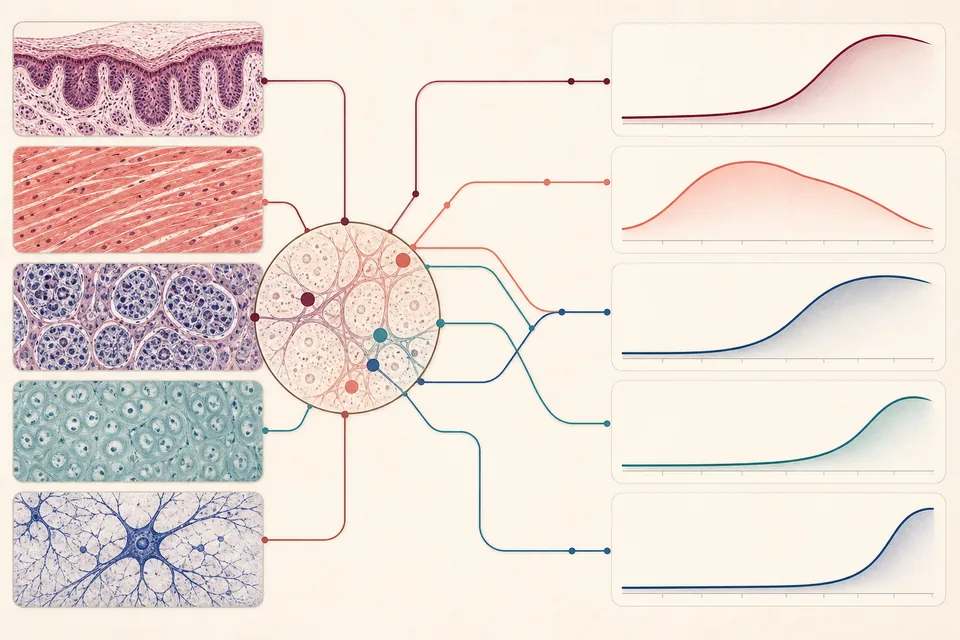
An analysis of 25,306 post-mortem samples from 970 donors found different periods of rapid structural change across tissues. It is a research map, not a biological-age test.
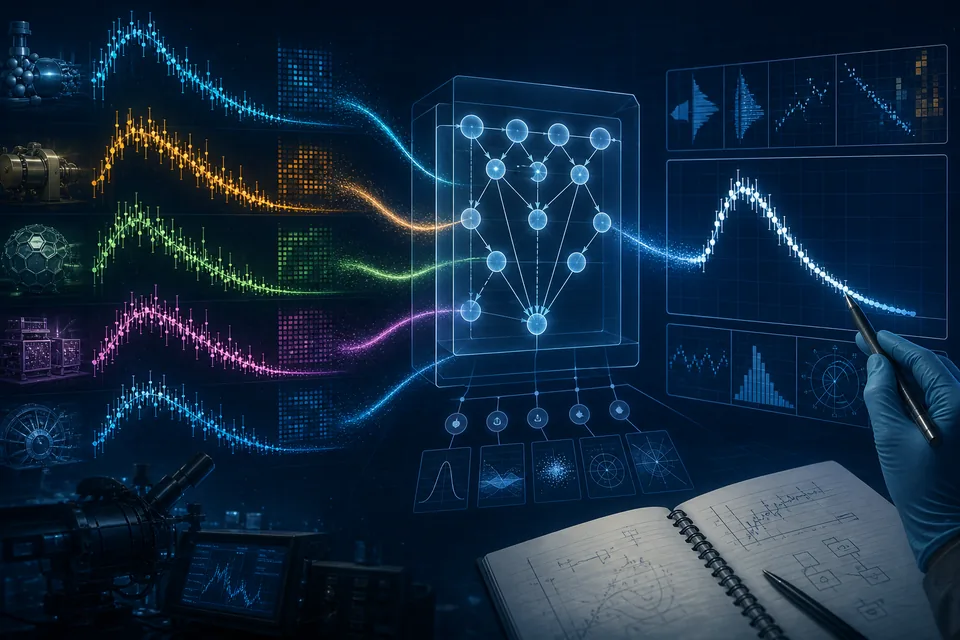
Bayesian machine learning linked discrepancies in historical measurements to details of experimental procedures. Experts then tested the suspects with simulations and new experiments, reducing the spread in californium-252 fission data by up to sixfold.
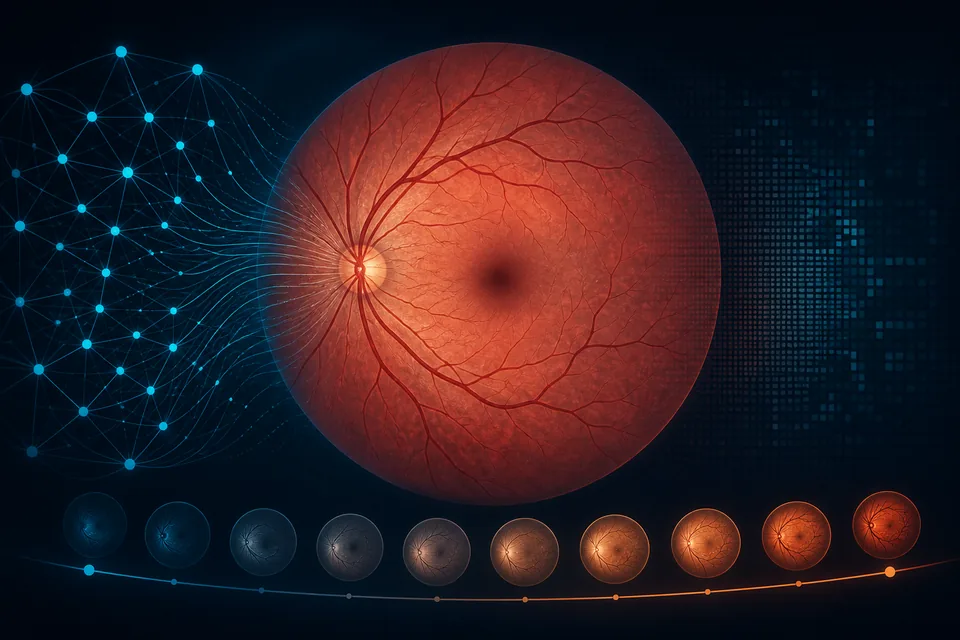
A model trained on fundus images from 71,343 participants linked a retinal-age gap to disease and mortality. It is a population biomarker, however, not a personal diagnosis or proof that the retina causes ageing.
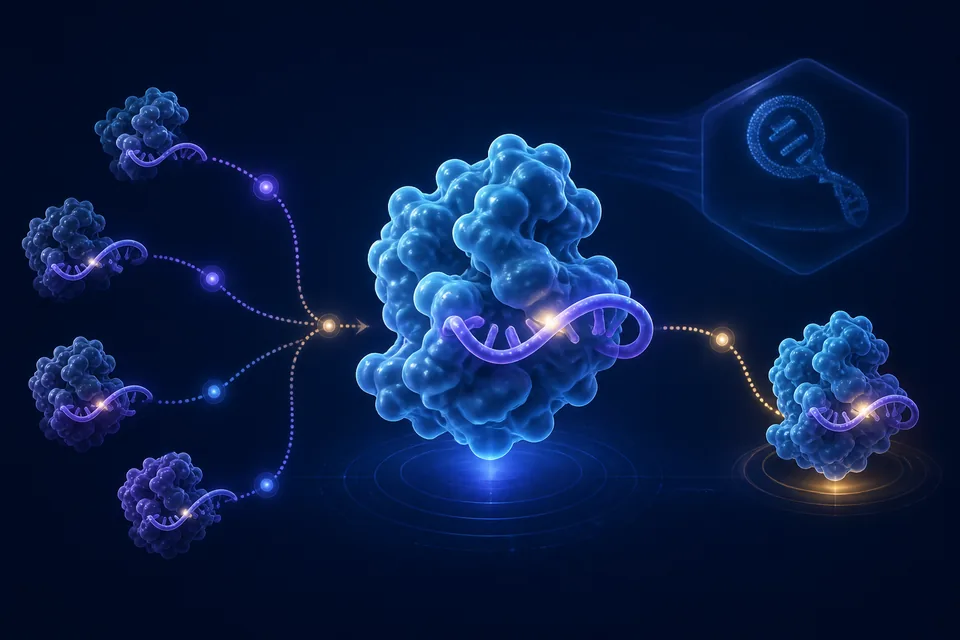
EvoMax combined sparse experimental data, a protein language model and structural estimates. The resulting Fanzor editor worked better in human cells and was also tested against a humanized gene in mice.
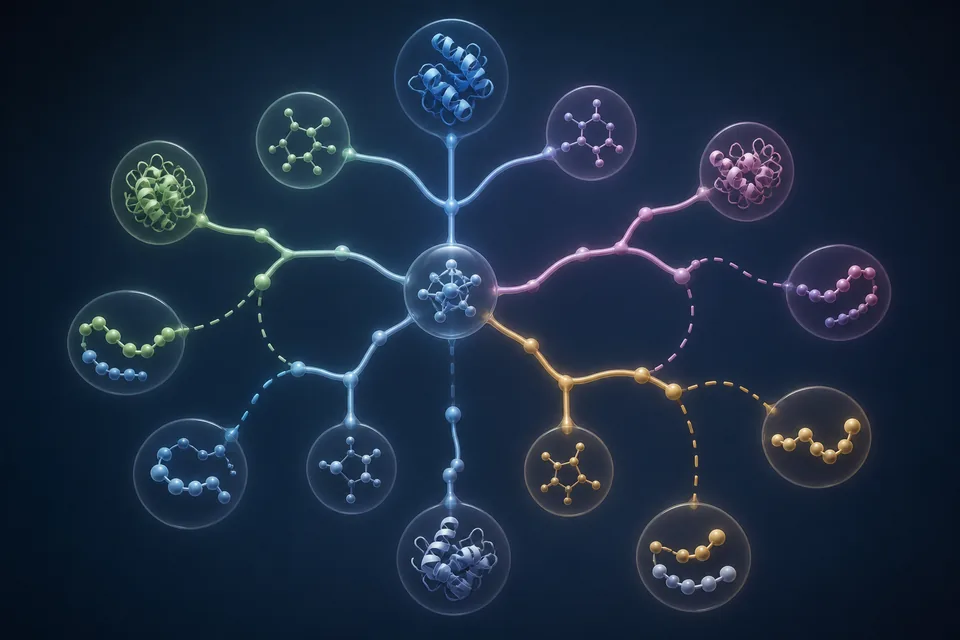
The open framework can switch among molecular strings, graphs and protein sequences during computer-aided design. It is a candidate-search tool, not evidence of an effective drug.
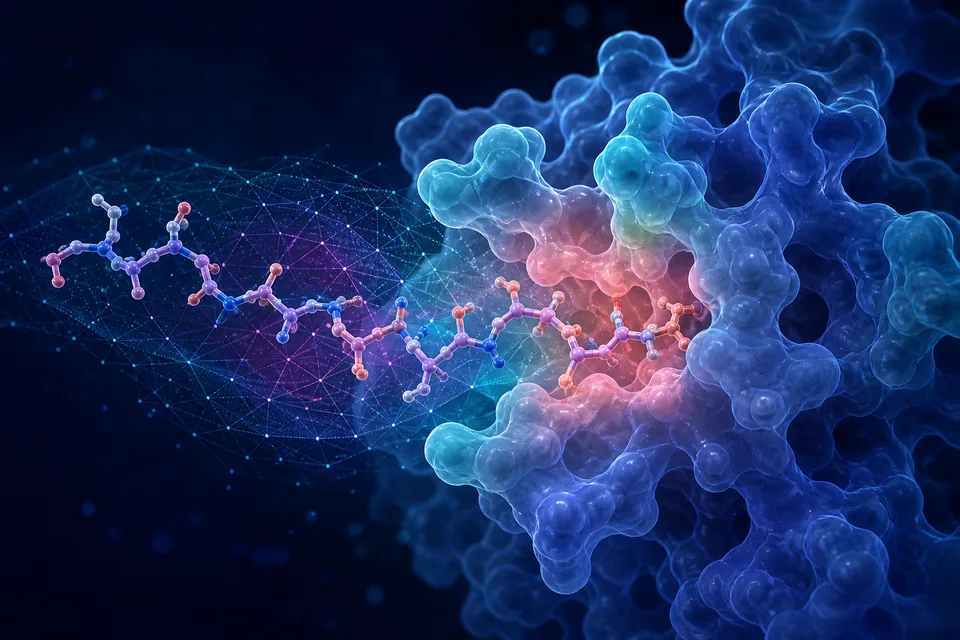
VITAL combines sequence information with binding-interface geometry. Across benchmark datasets, it classified interactions, mapped contact sites and estimated binding strength in one framework.
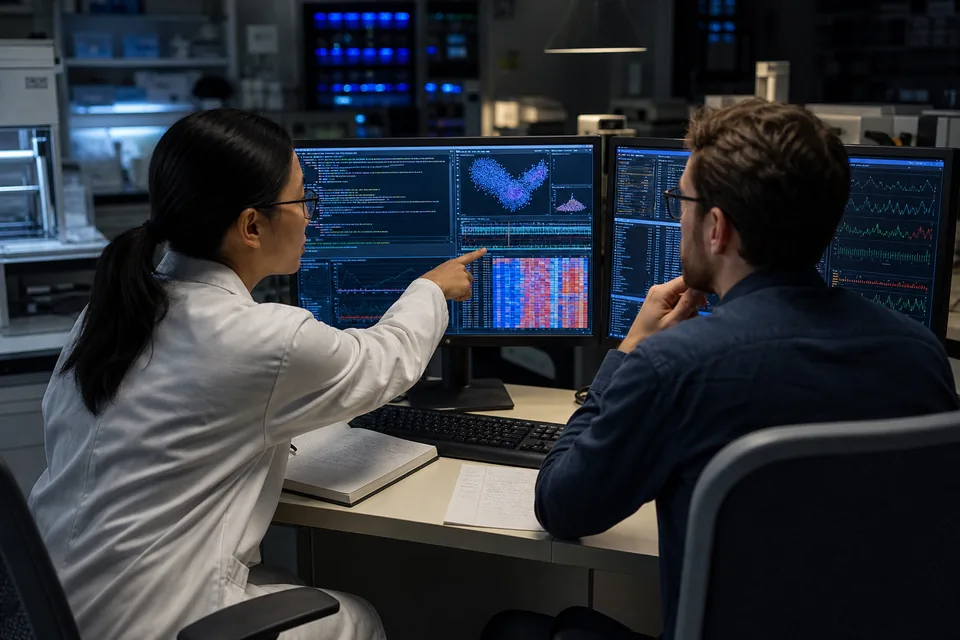
Eight case studies report faster maintenance and modernisation of research tools. They are not an independent benchmark, and scientific validation remains the hard part.
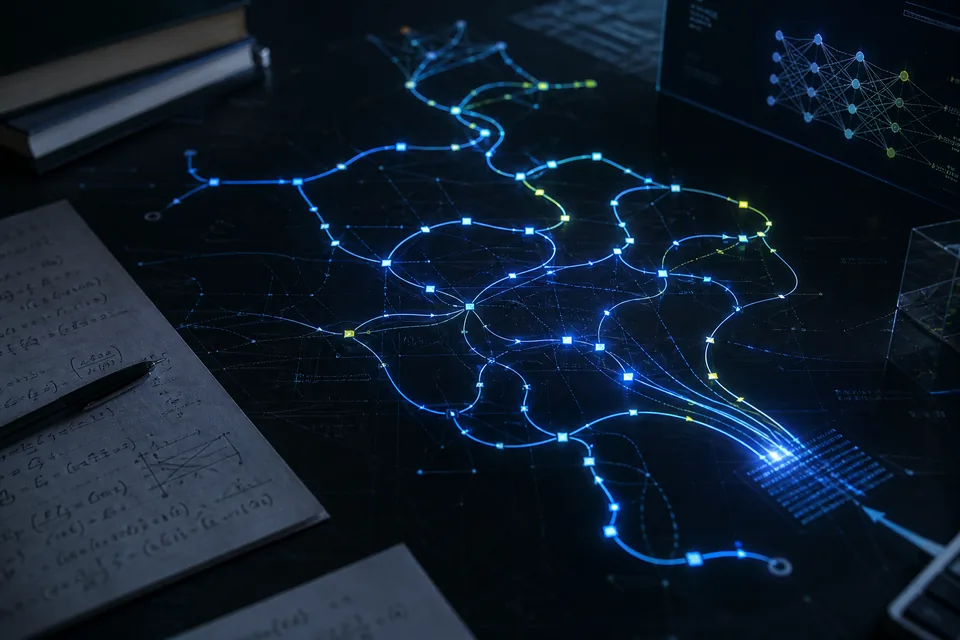
Research is trying to describe LLM overthinking structurally — locating repetition and breakdown rather than merely counting tokens.
NEUDYNE / EDITORIAL
We publish original editorial summaries and commentary, not full translations of third-party articles. We always link to the original and credit the author or publisher. Full translations are published only under licence or where expressly permitted.
Every article links to the original work. We distinguish experimental findings, author claims and our own outlook on practical applications.
Read in Czech, English, German or Italian. Discussions are shared across languages.