
mRNA vaccines require cold storage during distribution, making supply difficult where dependable freezers are scarce. In a peer-reviewed Nature Biotechnology study, an MIT team asked whether changing the excipients around lipid nanoparticles could better protect their contents from heat after drying. The work did not change the mRNA code itself; it searched for a more resilient carrier formulation.
The algorithm paired a small number of laboratory measurements with suggestions for the next combinations of excipients. The authors report six search rounds over about a month. After vacuum drying, they stored a selected formulation at 37 °C for more than two months. Vaccines prepared with the stored particles then produced immune responses in mice comparable to a freshly prepared control. The authors also tested dissolving microneedle patches in rodents and nonhuman primates. These are preclinical findings, not an approved vaccine that can be shipped without refrigeration.
If stability and performance are reproduced with different mRNA payloads, the method could eventually ease cold-chain demands for vaccination in remote regions. Microneedle patches might also make administration more practical where medical staff are scarce. The research does not show that the same shelf life applies to every antigen, manufacturing batch, or real distribution route.
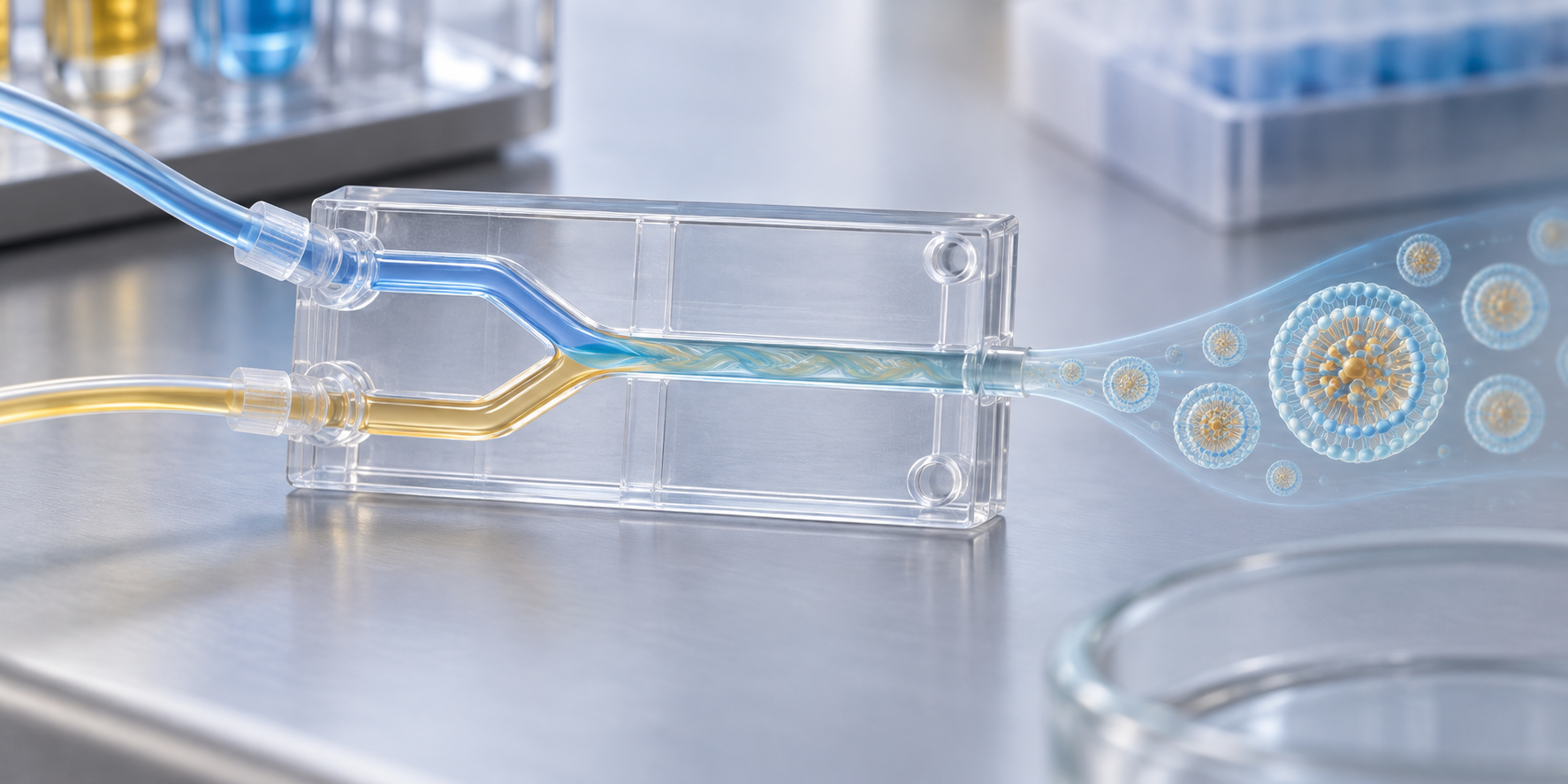
Further progress requires independent tests of long-term stability, safety, large-scale production and the efficacy of a specific vaccine in people. Only then could a regulator determine storage conditions and administration. Further laboratory and manufacturing pilots could optimistically emerge within one to three years; a date for routine use cannot yet be justified. Some authors disclose financial links to biotechnology companies including Moderna, another reason to seek independent replication. The illustration is not a product photograph.


Be the first to open the discussion.