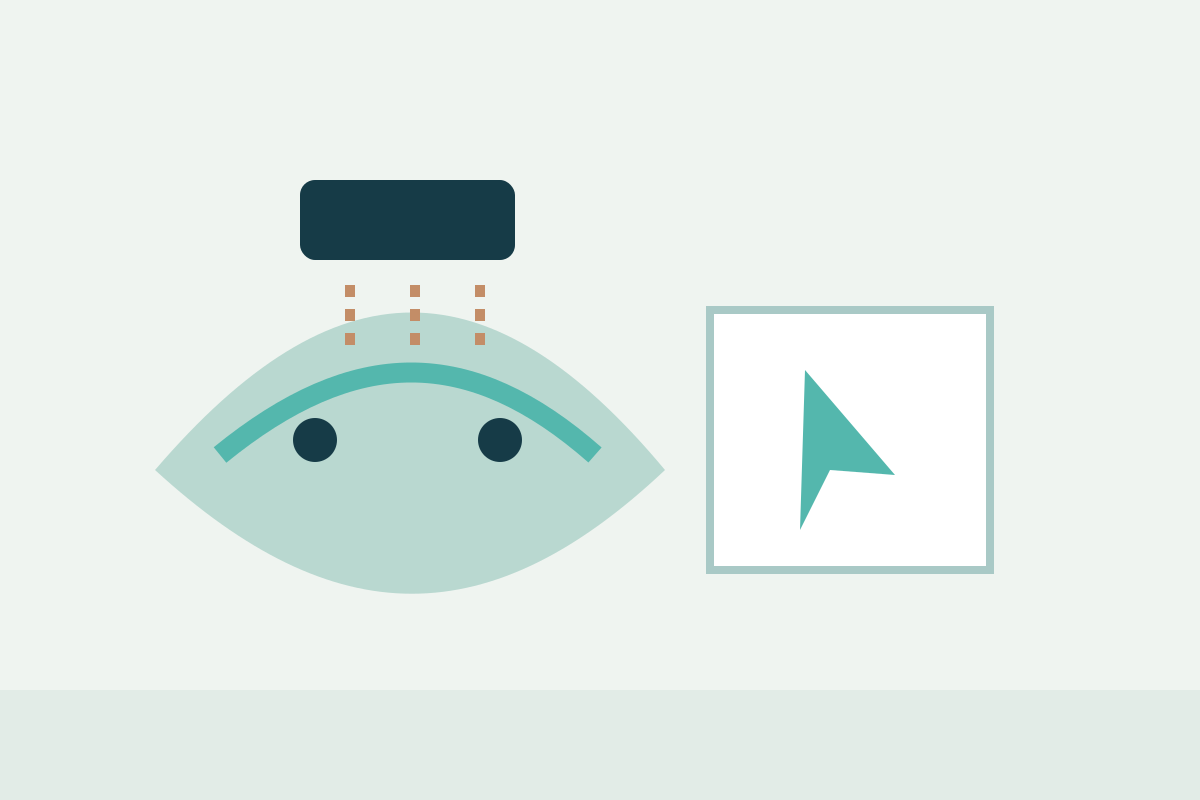
A Nature Sensors paper published October 29 describes tracking tiny magnets implanted in muscles in three people with below-knee amputations. External sensors read their movement. MIT’s account says participants controlled an on-screen cursor in the comparison task and were not wearing a prosthesis.
A possible goal is a prosthesis that better recognizes intended movement. It might respond more naturally when sitting down or changing pace. This remains a development direction: sensing a muscle, controlling a motor and safely moving a person are connected but distinct achievements.
Practical use requires testing with an actual prosthesis, long-term stability and failure behavior. Suitability of the procedure for each individual also matters. Some authors report related patents; the institutional story is not an independent replication.
Our optimistic editorial estimate for further limited research demonstrations is 1–3 years if follow-up tests succeed. These data cannot establish routine availability or reimbursement. The interesting advance is the human–machine interface, not a promise of a finished treatment.

Be the first to open the discussion.