Muscle changes how it handles energy with age, but the trigger for these changes has been uncertain. An international team points to cardiolipin, a fatty component of the inner mitochondrial membrane. Older human muscle samples had less of it than younger samples; that comparison, however, involved only four younger and five older people and cannot by itself establish causation.
The causal experiments were carried out in mice. When the researchers reduced cardiolipin production in muscle by disabling Crls1, mitochondrial damage and a shift in fibre composition reproduced part of the aging pattern. The study traces signalling through the regulator ERRγ. Restoring Crls1 in adult mice with this engineered deficit restored cardiolipin and began reversing muscle wasting. It is not rejuvenation of naturally aged humans or a ready treatment.
If other laboratories reproduce the mechanism, cardiolipin or its linked pathway could guide measurements of muscle aging and future interventions for some muscle disorders. The study also suggests that muscle can adapt its metabolism to troubled mitochondria in a way that looks compensatory even while performance declines. An earlier independent cell-and-mouse study likewise connected CRLS1 with muscle regeneration, but did not establish a clinical effect in people.
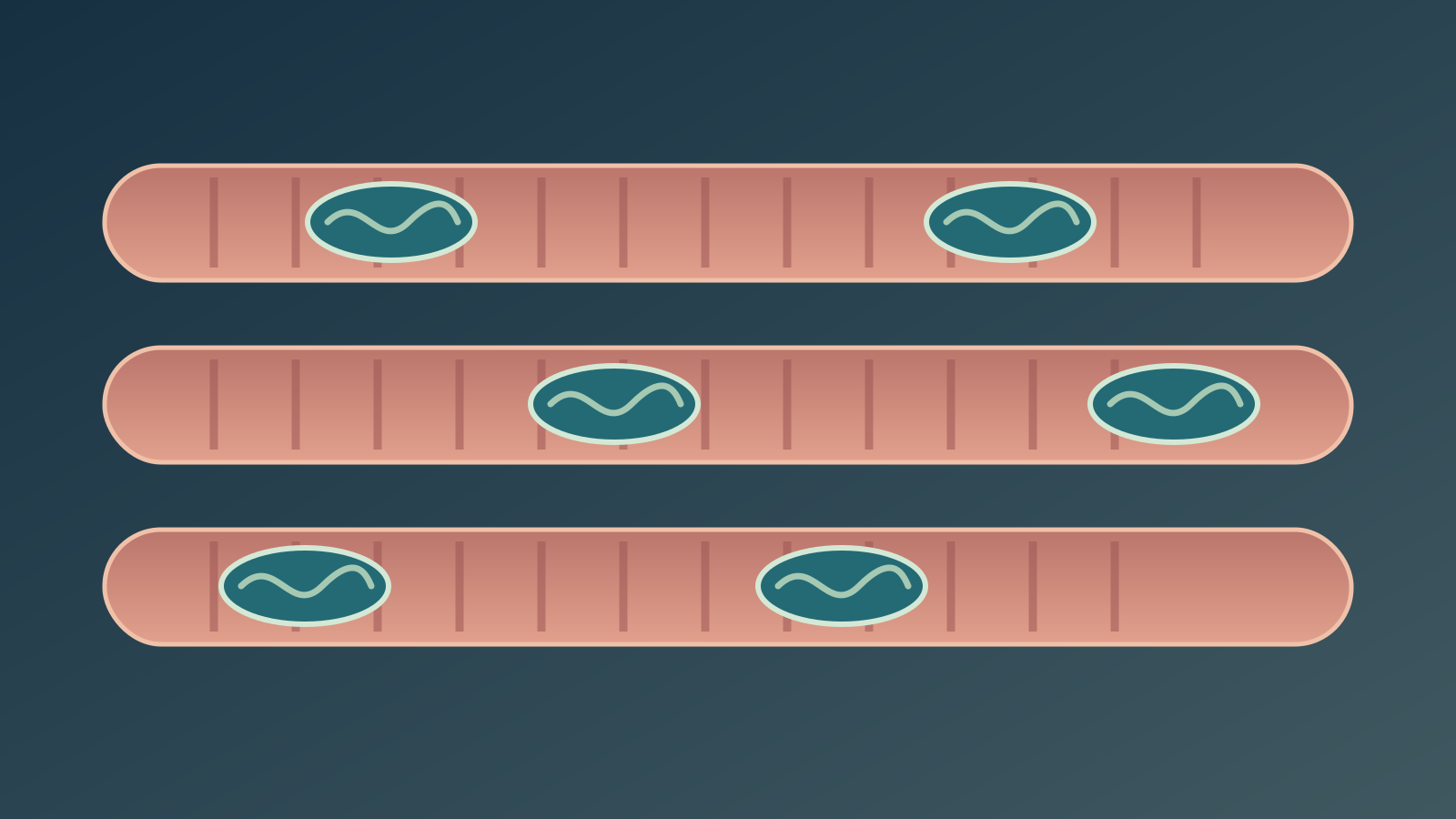
Practical use would require larger human cohorts, independent replication, a safe muscle-targeted intervention and long-term efficacy testing. Optimistically, further preclinical demonstrations might appear within two to five years; these data do not justify a date for human clinical benefit. One author disclosed a professional link to a company developing diabetes and obesity therapeutics. The image is a schematic, not a laboratory photograph.



Be the first to open the discussion.