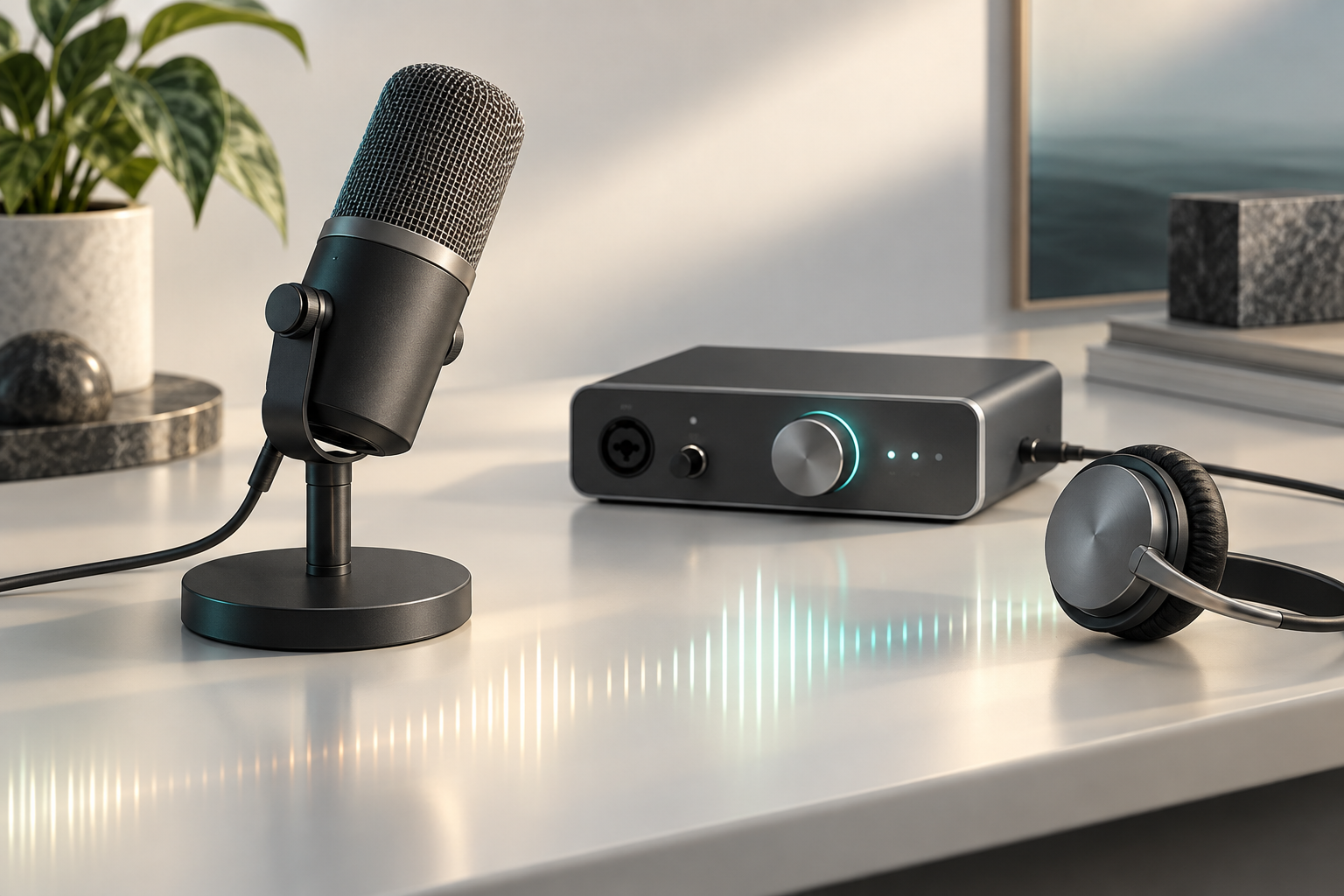
On September 10, OpenAI made GPT-Live-1 available through the API. It can listen and speak simultaneously; this expands availability rather than marking its original ChatGPT introduction.
The documentation warns that interrupting speech does not itself cancel background work. Parloa's own test also finds differences by language and information type, particularly for codes. Fluency must therefore not be mistaken for accuracy.
We see possible uses in searching a manual with one's hands occupied or practising a language. An assistant could help with orientation without turning every small correction into a new conversation. The actual benefit would still need user testing.
Before deployment, we would test noise, accents, names and numbers. Sensitive details should be repeated for checking and irreversible actions require confirmation. A natural voice must not conceal a mistake; a microphone-off control matters too.
Our optimistic editorial horizon for a narrow pilot is 2–6 weeks with a ready information source and simple integration. This is neither a promise of a universal interpreter nor a recommendation for emergency or medical decision-making.

Be the first to open the discussion.